Writing zuihitsu
This week my REWILD summer season of workshops started. We began with a word association exercise, which led on to giving zuihitsu a go.
Zuihitsu is a Japanese technique that dates back to Sei Shōnagon who wrote The Pillow Book in around 1000AD. It is a collection of personal essays with thoughts, ideas and observations from her time as court lady to Empress Consort Teishi. American poet, Kimiko Hahn uses the technique in her book, The Narrow Road to the Interior (2006), named after haiku poet Basho’s book, The Narrow Road to the Deep North.
‘I like to think of zuihitsu as a fungus’ says Kimiko Hahn in an interview with New York poet Laurie Sheck for BOMB magazine, ‘not plant or animal, but a species unto itself. The Japanese view it as a distinct genre although its elements are difficult to pin down. There’s no Western equivalent, though some people might wish to categorise it as a prose poem or an essay.’
According to poet Cheryl Moskowitz, Zuihitsu is not a prose poem or an essay though it can resemble both: ‘To ‘follow the brush’ suggests a certain not-knowing of what will happen, that whatever might result from the process will be down to discovery rather than plan. There is a strong sense in zuihitsu writing that the creation of order depends on disorder. Zuihitsu demands as its starting point, juxtapositions, fragments, contradictions, random materials and pieces of varying lengths. I like this. This, it seems to me, is also how most things in life are, how people are, how thinking is, how poetry should be.
Separated out, these listings of thoughts, musings, opinions, overheard conversations, and complaints, can seem odd, trivial, random or unimportant and yet, strung together zuihitsu fashion, they take on a vital and wholly absorbing quality.’
Writing invitation
Begin with a word. I used “SUN” for the workshops this week. But you can begin anywhere. Write a list of words in response to that word. You can write in lists or randomly across the page or use mind maps. Up to you. Generate as many words as you like, you can time this part or give yourself a number.
Pick a word from your new list. Write a list of words that sound like your word - this can be starting with the same sound (alliteration), having a similar sound in the middle of the word (assonance) or the ends of the words might rhyme.
Pick a word from your new list. Write a list of words that have a similar meaning to your word.
Pick a word from your new list. Write a list of words that have nothing to do with the word - just words that come to mind.
Pick an object that you can see - either in your room or out of the window. Write another list of words in response to that word.
Now take some time to look at all of your lists and play. Put some words together that wouldn’t normally go together and see how they feel, how they sound, what thoughts or images they conjure up. Create interesting and unusual phrases and juxtapositions.
Then read this extract from Kimiko Hahn’s book:
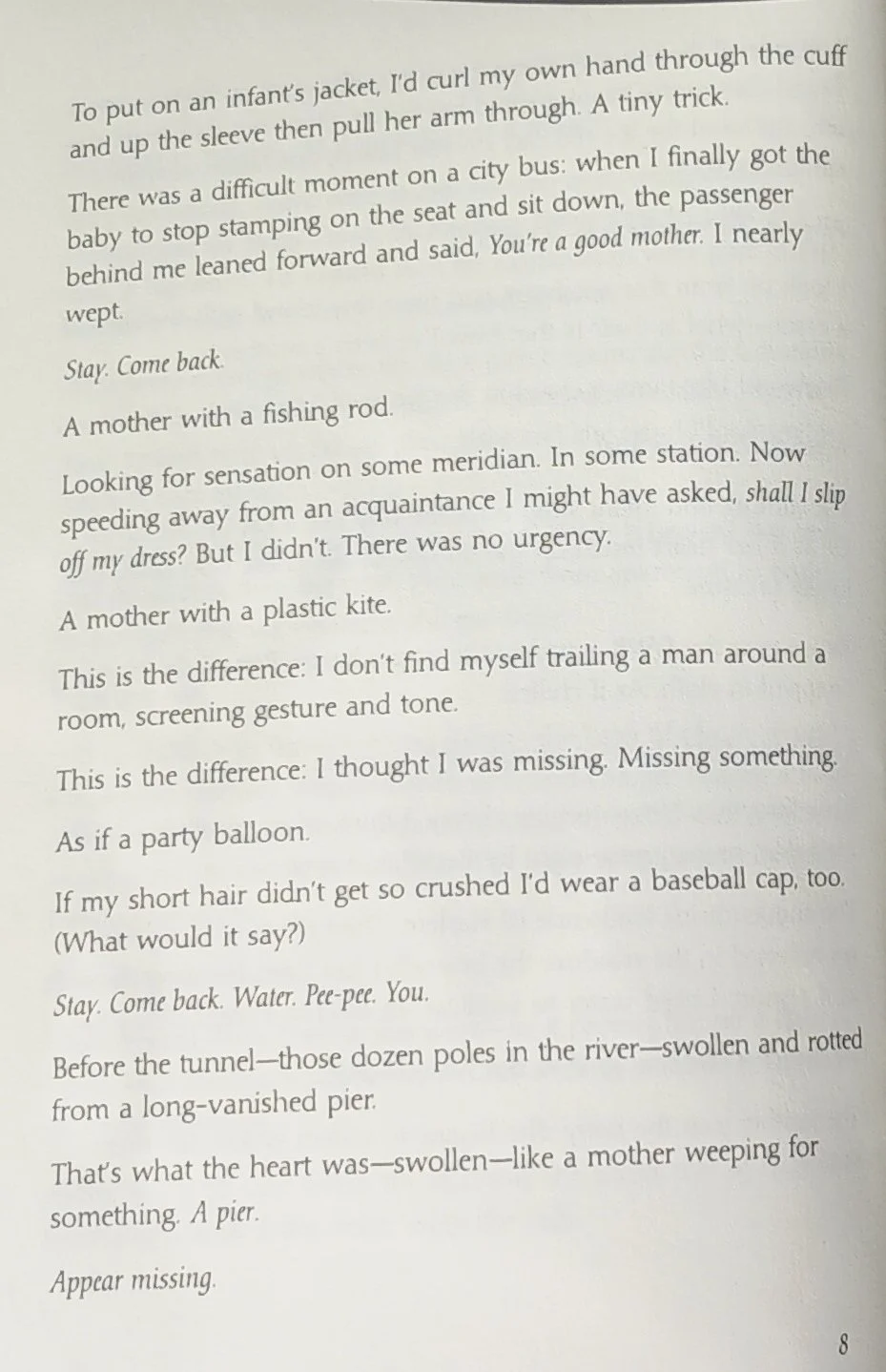
Create your own zuihitsu using some of your unusual phrases or connections. See where your pen takes you. Make leaps in language.